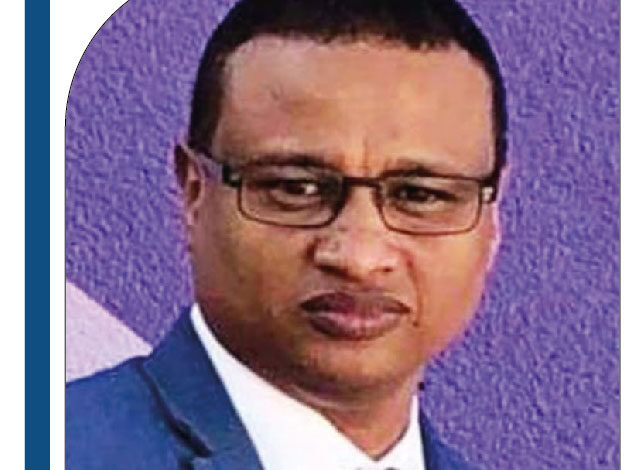

عمار نجم الدين
لم تكن حرب الجنوب مجرد صراع سياسي عابر في تاريخ السودان بل كانت واحدة من أطول المآسي الإنسانية في أفريقيا الحديثة. منذ عام 1955 وحتى اتفاق السلام في 2005 عاش الجنوب خمسين عاماً من الحرب المتصلة التي لم تستهدف الجيوش بقدر ما استهدفت مجتمعاً كاملاً. التقديرات التي نشرتها تقارير الأمم المتحدة ومنظمات حقوق الإنسان الدولية تشير إلى أن ما يقارب مليوني إنسان من جنوب السودان فقدوا حياتهم خلال تلك الحرب وأن أكثر من أربعة ملايين إنسان أجبروا على النزوح أو اللجوء. هذه الأرقام لم ترد في خطاب سياسي بل في تقارير صادرة عن الأمم المتحدة ومنظمات مثل Human Rights Watch و Amnesty International التي وثقت نمطاً مستمراً من العنف ضد السكان المدنيين في الجنوب.
الوقائع التي سجلتها هذه التقارير لا تصف فقط معارك عسكرية بل تصف سياسة حرب استهدفت حياة المدنيين بشكل مباشر. القصف الجوي للقرى كان يتكرر في مناطق واسعة من بحر الغزال وأعالي النيل والاستوائية. القرى كانت تُحرق بالكامل بعد القصف. النساء تعرضن للاغتصاب الجماعي في مناطق العمليات العسكرية. الأطفال والمدنيون اختطفوا وتحول كثير منهم إلى ضحايا للعبودية المباشرة أو غير المباشرة خلال التسعينيات. المدارس والمراكز الصحية تعرضت للقصف أو التدمير. ملايين الناس أجبروا على الهروب من أراضيهم الزراعية فتحولت الحرب إلى أداة لتدمير المجتمع اقتصادياً واجتماعياً.
من أكثر الوقائع قسوة ما حدث في بحر الغزال عام 1997 عندما تحولت المجاعة إلى سلاح حرب. تقارير برنامج الغذاء العالمي ومنظمات الإغاثة الدولية وثقت أن الحصار العسكري ومنع وصول الغذاء أدى إلى موت ما يقارب سبعين ألف مدني في تلك المنطقة وحدها. في القانون الدولي الإنساني يُعد تجويع السكان المدنيين وسيلة حرب جريمة دولية. عندما يتم حصار مجتمع كامل ومنع الغذاء عنه مع العلم أن ذلك سيؤدي إلى الموت الجماعي فإن الفعل لا يعود مجرد نتيجة للحرب بل يصبح جزءاً من بنيتها.
القانون الدولي الجنائي لا يكتفي بتوصيف الأفعال بل ينظر إلى القصد الذي يقف وراءها. عندما تتكرر أفعال مثل القصف المنهجي للقرى والتهجير القسري والتجويع والاغتصاب الجماعي والاعتقال التعسفي ضد مجموعة سكانية محددة فإن ذلك يدخل في إطار الجرائم ضد الإنسانية وفق نظام روما الأساسي للمحكمة الجنائية الدولية. المادة السادسة من هذا النظام تعرف الإبادة الجماعية بأنها قتل أفراد جماعة قومية أو إثنية أو إلحاق أذى جسدي أو عقلي خطير بها أو إخضاعها لظروف معيشية تؤدي إلى هلاكها. هذه العناصر لا تُقرأ هنا كمصطلحات قانونية مجردة بل كواقع عاشه ملايين الجنوبيين خلال نصف قرن من الحرب.
المسألة لا تتعلق بالقتل فقط. هناك نمط كامل من الأفعال التي تشكل أركان الجرائم الدولية. الإعدام خارج القانون. التعذيب. السجن التعسفي. التهجير القسري. الاضطهاد على أساس الهوية. الاختفاء القسري. تجويع السكان المدنيين. تدمير البنية التحتية للمجتمع. هذه الأفعال عندما تُمارس بصورة واسعة ومنهجية تصبح جرائم ضد الإنسانية بموجب القانون الدولي. وعندما تستهدف جماعة محددة بسبب هويتها العرقية أو الثقافية فإنها تقترب من تعريف الإبادة الجماعية.
الحرب لم تدمر الأرواح فقط بل دمرت أيضاً اقتصاد الجنوب وبنيته الاجتماعية. القرى الزراعية أحرقت. الطرق والمراكز الخدمية دمرت. المجتمعات المحلية جرى تفكيكها عبر النزوح القسري. كما جرى تسليح مجموعات محلية وتحريضها ضد مجموعات أخرى ما أدى إلى إشعال صراعات قبلية امتدت آثارها إلى ما بعد نهاية الحرب وما زالت آثارها حاضرة حتى اليوم. هذا النوع من السياسات لا يخلق فقط ضحايا في لحظة الحرب بل يزرع بذور العنف لعقود لاحقة.
في القانون الدولي لا تسقط الجرائم الكبرى بالتقادم. التاريخ الحديث مليء بأمثلة شعوب طالبت بالعدالة بعد سنوات طويلة من وقوع الجرائم. ألمانيا دفعت تعويضات بمليارات الدولارات لضحايا الهولوكوست بعد الحرب العالمية الثانية. الأرمن ما زالوا يطالبون تركيا بالاعتراف والتعويض عن الإبادة التي تعرضوا لها عام 1915. بعد إبادة رواندا عام 1994 أنشئت محكمة جنائية دولية خاصة لمحاسبة المسؤولين. حتى الولايات المتحدة اعترفت لاحقاً بالظلم الذي تعرض له الأمريكيون من أصل ياباني خلال الحرب العالمية الثانية وقدمت تعويضات رسمية لهم.
هذه السوابق العالمية تطرح سؤالاً أخلاقياً وقانونياً واضحاً. لماذا لا يُفتح ملف العدالة التاريخية لضحايا حرب جنوب السودان. المطالبة بالتعويضات لا تعني أن المال يمكن أن يعوض حياة ملايين الضحايا. لكنها تعني الاعتراف الرسمي بالجريمة. تعني إعادة الاعتبار للضحايا ولأسرهم. وتعني تثبيت حقيقة تاريخية في الوعي العالمي حتى لا تتحول المأساة إلى مجرد رقم في كتب التاريخ.
من حق شعب جنوب السودان أن يبدأ نقاشاً قانونياً ودبلوماسياً حول العدالة التاريخية. هذا النقاش يمكن أن يشمل توثيق الجرائم في ملفات قانونية دولية. المطالبة بالاعتراف الرسمي بالانتهاكات. والسعي للحصول على تعويضات عن الدمار الهائل الذي لحق بالمجتمع والبنية الاقتصادية خلال خمسين عاماً من الحرب. التعويضات في القانون الدولي لا تقتصر على الأموال بل يمكن أن تشمل أيضاً برامج إعادة إعمار ودعم تنموي طويل الأمد.
الذاكرة جزء أساسي من العدالة. لذلك فإن إنشاء متحف وطني يوثق جرائم الحرب والإبادة التي تعرض لها الجنوبيون يمكن أن يكون خطوة مهمة في حماية الذاكرة الجماعية. المتاحف في العالم ليست مجرد مبانٍ بل هي مؤسسات تحفظ الحقيقة. متحف الهولوكوست في واشنطن ومتاحف الإبادة في رواندا أصبحت جزءاً من الضمير العالمي لأنها تذكر البشرية بما يمكن أن يحدث عندما تتحول الدولة إلى أداة عنف ضد مجتمعها.
ما حدث في جنوب السودان بين 1955 و2005 ليس مجرد فصل في تاريخ حرب أهلية. إنه جزء من تاريخ عالمي أوسع عن العنف الجماعي والإفلات من العقاب. ملايين البشر الذين ماتوا أو شُردوا خلال تلك الحرب لم يكونوا أرقاماً بل كانوا مجتمعات كاملة لها لغاتها وثقافاتها وأحلامها. العدالة لهم قد تتأخر لكنها لا يجب أن تختفي. التاريخ لا يموت عندما يتوقف إطلاق النار. التاريخ يبدأ عندما تبدأ الشعوب في المطالبة بحقها في الحقيقة والاعتراف والكرامة.
After Half a Century of Blood… Will South Sudan Begin the Battle for Reparations Against Sudan?
By: Amar NAGMELDIN
What happened in South Sudan between 1955 and 2005 was not simply a political conflict within one country. It was one of the longest human tragedies in modern African history. For nearly half a century the people of the South lived under a continuous war that did not merely target armed groups but struck directly at the civilian population. Estimates reported by international organizations indicate that approximately two million South Sudanese lost their lives during this period, while more than four million people were displaced internally or forced to flee as refugees across borders. These figures appear repeatedly in reports produced by the United Nations and international human rights organizations such as Human Rights Watch and Amnesty International which documented a long pattern of violence directed against civilians in the South.
The record of this war shows that the violence extended far beyond battlefield engagements. Villages were repeatedly subjected to aerial bombardment across regions such as Bahr el Ghazal, Upper Nile, and Equatoria. Entire communities were burned after attacks. Women were exposed to widespread sexual violence in areas of military operations. Civilians and children were abducted and in many documented cases turned into victims of slavery and forced labor during the 1990s. Schools and health facilities were destroyed or bombed. Millions of rural inhabitants were driven from their land, turning the war into a systematic destruction of the social and economic foundations of the southern population.
One of the most devastating examples occurred in Bahr el Ghazal in 1997 when famine became a weapon of war. Reports from international relief agencies and the World Food Programme documented that military blockades and the obstruction of food deliveries resulted in the deaths of approximately seventy thousand civilians in that region alone. Under international humanitarian law the starvation of civilians as a method of warfare is prohibited. When a population is deliberately deprived of food while authorities know that the result will be mass death the act moves beyond collateral damage and becomes part of the structure of the violence itself.
International criminal law does not only examine the physical acts of violence but also the intention behind them. When patterns such as repeated bombing of villages, forced displacement, starvation, mass rape, and arbitrary detention are directed at a specific civilian population the acts fall within the category of crimes against humanity under the Rome Statute of the International Criminal Court. Article 6 of that statute defines genocide as acts committed with intent to destroy in whole or in part a national, ethnic, racial, or religious group including killing members of the group, causing serious bodily or mental harm, or deliberately inflicting conditions of life calculated to bring about its physical destruction. These definitions are not abstract legal language in this context. They mirror realities that shaped the lives of millions of southern Sudanese over the course of fifty years.
The crimes associated with the war include extrajudicial killings, torture, arbitrary imprisonment, forced displacement, persecution on the basis of identity, enforced disappearances, and the deliberate starvation of civilians. When such acts occur on a widespread and systematic scale they meet the threshold for crimes against humanity under international law. When they target a population because of its ethnic, cultural, or religious identity they approach the legal definition of genocide.
The consequences of the war extended far beyond the immediate loss of life. The economic and social fabric of the South was shattered. Agricultural villages were destroyed, transportation routes collapsed, and essential infrastructure disappeared. Entire communities were fragmented through mass displacement. Armed actors frequently fueled internal divisions by arming local groups and encouraging inter-communal violence. These policies created cycles of conflict that outlived the formal end of the war and whose consequences remain visible even in 2026.
In international law crimes of this magnitude do not disappear with time. History provides many examples of societies that pursued justice decades after atrocities occurred. Germany paid billions of dollars in reparations to Jewish victims of the Holocaust after the Second World War. Armenians continue to seek recognition and accountability for the mass killings of 1915. Following the genocide in Rwanda in 1994 an international criminal tribunal was established to prosecute those responsible. The United States itself eventually acknowledged the injustice committed against Japanese Americans during World War II and provided formal compensation.
These precedents raise an unavoidable question. Why should the historical record of violence against the people of South Sudan remain outside the global conversation about justice and reparations. Demanding accountability does not imply that money can replace the lives of millions who were lost. Rather it means recognizing the crimes, restoring dignity to the victims and their families, and establishing an official historical truth that cannot be erased by political silence.
South Sudan has the moral and legal ground to begin a serious international discussion about historical justice. Such an effort could involve comprehensive documentation of war crimes and crimes against humanity, diplomatic engagement to seek international recognition of the scale of atrocities, and the pursuit of reparations for the immense destruction inflicted upon the southern population during half a century of conflict. In international law reparations may include not only financial compensation but also long-term reconstruction and development support.
Memory is a central component of justice. Establishing a national museum dedicated to documenting the atrocities committed during the war would be a significant step toward preserving historical truth. Around the world institutions such as the Holocaust Museum in Washington and memorial sites in Rwanda serve not only as spaces of remembrance but as warnings to future generations about the consequences of unchecked violence and impunity.
The war that devastated South Sudan between 1955 and 2005 was not simply another chapter in a regional conflict. It was part of a broader global history of mass violence and impunity. The millions who died or were displaced were not statistics. They were communities with languages, cultures, and futures that were violently interrupted. Justice for them may arrive late, but it must not disappear. History does not end when the guns fall silent. It begins when societies decide to confront the truth and demand recognition, accountability, and dignity for those who suffered.